
About Pittsburgh International Airport
Pittsburgh International Airport (IATA: PIT, ICAO: KPIT) serves western Pennsylvania, the Upper Ohio Valley and travellers from Ohio and West Virginia. It sits about 17 miles west of downtown Pittsburgh in Findlay and Moon townships and is owned and operated by the Allegheny County Airport Authority.
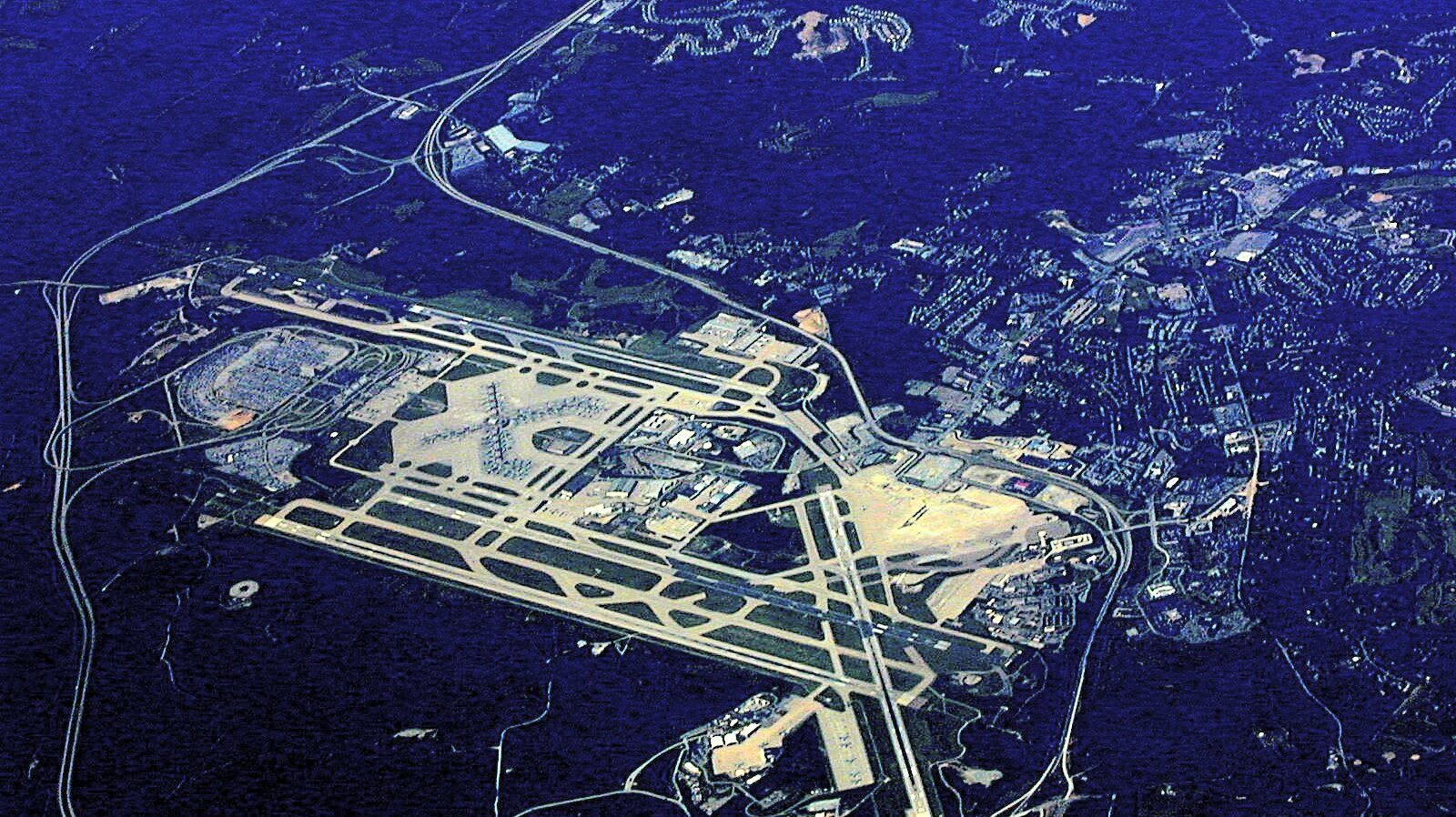
Location and the region it serves
- 17 miles (27 km) west of downtown Pittsburgh, at Exit 53 of Interstate 376 with the Pennsylvania Turnpike nearby.
- Elevation 1,202 feet (366 m) on the high ground of Moon and Findlay townships.
- Serves the greater Pittsburgh region plus nearby West Virginia and Ohio — a gateway to the American Rust Belt’s comeback city.
- The Pittsburgh light rail does not serve the airport; the 28X Airport Flyer bus is the public-transit link downtown.
Why the airport code matters
PIT is the IATA code and KPIT the ICAO code. The airport opened in its current midfield form on 1 October 1992, replacing Greater Pittsburgh Airport, whose final arrival landed the night before. Always check that your ticket reads PIT.
By the numbers
| Measure | Figure |
|---|---|
| Passengers 2024 | 9,945,601 — the highest total since 2006 |
| Passengers 2025 | 9,848,440 |
| Land area | About 10,000 acres — Pennsylvania’s largest civil airport by land area |
| Runways | Four; longest 11,500 ft (10R/28L) |
| Terminals | Landside (opened 2025) + X-shaped Airside with 61 gates on four concourses |
| Destinations | More than 60 nonstop, including London, Dublin, Toronto and seasonal Reykjavik |
| Microgrid | First airport in the world fully powered by its own microgrid (2021) |
| Opened | Current terminal 1 October 1992; original Greater Pittsburgh Airport 1952 |
A history of firsts
The 1992 midfield terminal was called “the airport of the future” by The New York Times — its X-shaped airside, underground people mover and AirMall with street pricing became a model copied worldwide. After the US Airways hub years (peaking at nearly 21 million passengers in 1997) and the post-hub trough of 7.8 million in 2013, the airport rebuilt itself: Southwest became the largest carrier in 2016, the microgrid opened in 2021, and the all-new Landside Terminal opened on 18 November 2025. Air Transport World named PIT Airport of the Year in 2017 — the first US airport to win the honour twice.
Beyond the terminal
- Cargo powerhouse — FedEx (45% of cargo), UPS and Amazon Air operate from a 5,000-acre free-trade zone within 500 miles of 80% of the US population.
- Neighborhood 91 — a 195-acre advanced-manufacturing campus on airport land, named for Pittsburgh’s 90 neighbourhoods.
- Military heritage — home to the Air Force Reserve’s 911th Airlift Wing and the Pennsylvania Air National Guard’s 171st Air Refueling Wing; military units have operated here since 1947.
- Microgrid — natural gas plus 9,360 solar panels supply the entire airport, cutting the first year’s energy bill by about $1 million.
The transformation programme that opened in 2025 created 14,300 jobs and $2.5 billion in economic activity — and gave Pittsburgh the airport its region had been promised for decades.